


Tous les produits
-
Affichage d'affichage à cristaux liquides TFT
-
Affichage de TFT d'écran tactile
-
Affichage rond de TFT
-
ecran couleur de tft
-
module amoled d'affichage
-
Micro OLED Affichage
-
Type TFT de barre
-
Affichage TFT carré
-
Affichage d'affichage à cristaux liquides d'intense luminosité
-
Affichage LCD COB
-
Lumière du soleil TFT lisible
-
Affichage d'UART TFT
-
Module d'affichage d'affichage à cristaux liquides
-
Affichage de PMOLED
-
affichage d'epaper
-
Affichage numérique de LED
-
Écran tactile capacitif
-
 InkotechOui, nous avons commencé à utiliser des écrans ronds aussi, maintenant nous les vérifions et les testons avec notre produit. Quelque travail doit être fait avec la programmation, etc., mais c'est le travail de nos ingénieurs.Si vous avez des questionsJe te le ferai savoir. La qualité de l'affichage est excellente et semble vraiment de première classe! Nous sommes heureux de vous avoir trouvé comme fabricant
 -
Élever le collectif en plein airJe vous en prie. C'est une excellente nouvelle. Merci encore pour votre excellent travail. C'est pas vrai, Koby.
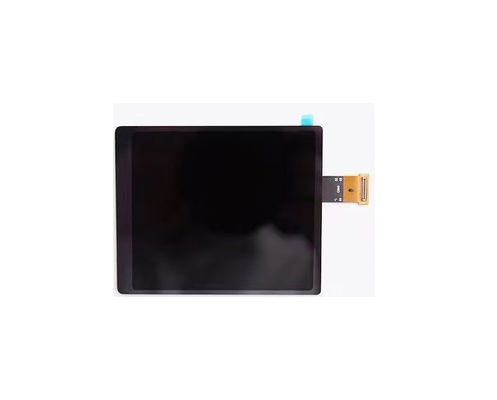
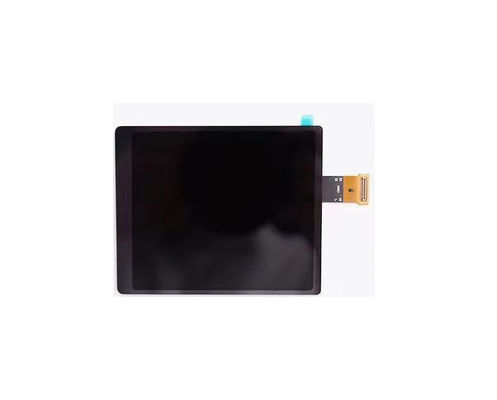
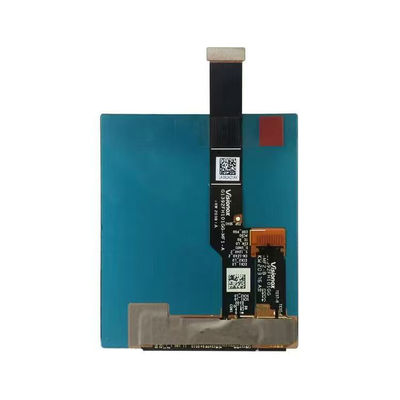
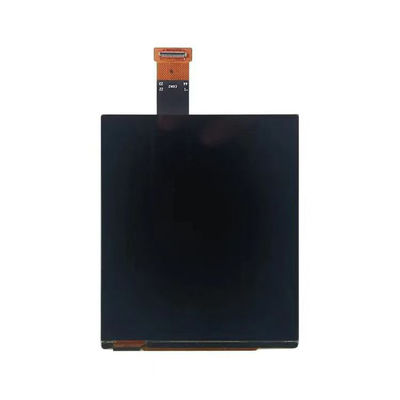
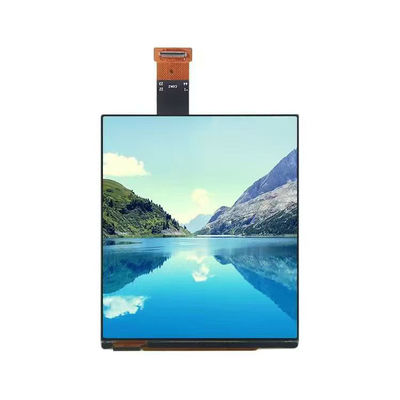
3.92 Inch AMOLED Display Module with 1080*1240 Resolution and MIPI Interface for High Brightness Applications


| Lieu d'origine | CHINE |
|---|---|
| Nom de marque | HuaXin |
| Certification | ISO14001/ ISO9001/IATF16949 |
| Numéro de modèle | HX1392FH101GG |
| Documents | HX1392FH101GG-SPEC.pdf |
| Quantité de commande min | 500 |
| Prix | $68 |
| Détails d'emballage | Blister + boîte en mousse + sac à bulles + carton intérieur + carton maître |
| Délai de livraison | 6 semaines ~ 8 semaines |
| Conditions de paiement | T / t |
| Capacité d'approvisionnement | 50k par mois |
Détails sur le produit
| Technologie d'affichage | affichage amole | Nom | panneau OLED |
|---|---|---|---|
| Taille | 3.92 " | Résolution | 1080*1240 |
| Luminosité | 520 | Interface | Mipi |
| Conduite en circulation | RM692C9 | ||
| Mettre en évidence | 3.92 Inch AMOLED Display Module,1080*1240 Resolution AMOLED Screen,MIPI Interface OLED Panel |
||
Vous pouvez cocher les produits dont vous avez besoin et communiquer avec nous dans le babillard électronique.
Description de produit
3.92 Inch AMOLED Display Module 1080*1240 Dots MIPI Interface 520c/d Brightness
3.92 Inch AMOLED display module with 1080*1240 resolution, MIPI interface, and 520cd/m² brightness.
Product Parameters
| Part Number | HX1392FH101GG |
|---|---|
| Screen Type | 3.92 inch AMOLED |
| Resolution | 1080*1240 |
| Viewing Angle | All directions |
| Active Area (mm) | 65.448 (W) * 75.144 (H) |
| Panel Size (mm) | 67.248*79.874*0.699 |
| Brightness (cd/m²) | 520 |
| Interface | MIPI |
| Pin Quantity | 44 pins |
| Driving IC | RM692C9 |
Product Images

Drawing & Pin Definition
OLED Product Knowledge
OLED Advantages:
- Lighter and thinner than LCDs
- High contrast ratio
- High color saturation
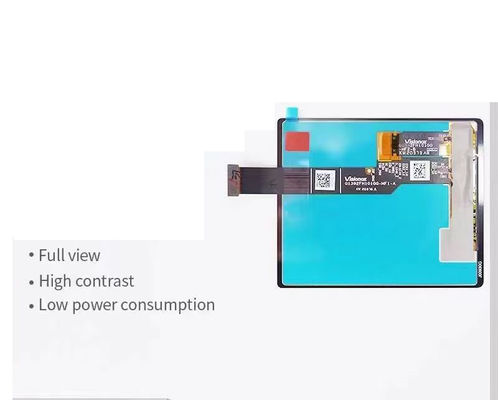
- Lower power consumption
OLED Disadvantages:
- More expensive than LCD and TFT
- Shorter lifetime than LCD and TFT
Company Information
Huaxin Advantages:
- Factory located in cost-effective inland city
- Advanced equipment for stable quality
- Most processes use fully automatic equipment
- Professional engineers with 20+ years experience
- Custom product design capability
Certifications:
- ISO14001
- ISO9001/IATF16949
- SGS certified LCD modules
Company Details:
- Huaxin Technology (Enshi) Co., LTD
- Located in Hubei, Enshi
- Founded in 2009
- High-tech enterprise specializing in LCD, LCM, TFT, backlight, OLED
- LCD product range: VA, TN, HTN, STN, FSTN, CSTN series
- LCM product range: COB, TBA, COG, TP, LED backlight series
- Registered capital: 20 million
- Current staff: 500+
- R&D accounts for 10%
- QC accounts for 15%
Production Capacity
| Capacity | 2021 (Current) | 2022 (Goal) | 2023 (Challenge) | 2024 (Challenge) | 2025 (Challenge) | Remark |
|---|---|---|---|---|---|---|
| LCD Production | 4.5 | 9 | 9 | 9 | 9 | Unit: thousands of logarithms/Day |
| LCM Production | 70 | 150 | 300 | 450 | 450 | Unit: Thousand piece/Day |
| Backlight Production | 100 | 200 | 300 | 500 | 500 | Unit: Thousand piece/Day |
| OLED Production | 10 | 20 | 30 | 40 | 50 | Unit: Thousand piece/Day |
Product Applications
- Safety box & instrument
- Lock & smart home
- Transmitter & watch
- Watch & radio
- Collimator & navigator
AMOLED Display Characteristics
- Self-Emissive Pixels
- High Contrast Ratio
- Excellent Color Accuracy and Vibrancy
- Wide Viewing Angles
- Power Efficiency
- Thinness and Flexibility
- Fast Response Time
Power Efficiency Comparison
1. Power Consumption:
- AMOLED displays consume power per-pixel (black/dark pixels use very little power)
- LCD/LED displays require constant backlight power regardless of content
2. Content Dependency:
- AMOLED more efficient for dark content (pixels can be turned off)
- LCD/LED power consumption remains constant for all content
3. Brightness Control:
- AMOLED can adjust pixel brightness individually for better efficiency
- LCD/LED typically have fixed backlight brightness
4. Display Size:
- AMOLED more power-efficient for smaller displays
- Larger LCD/LED displays may require more power-hungry backlights
produits recommandés